

How are the Three Financial Statements Linked?
The “Retained Earnings” line item is recognized within the shareholders’ equity section of the balance sheet. The retained earnings of a company are the total profits generated since inception, net of any dividend issuances to shareholders. There are some limitations with retained earnings, as these figures alone don’t provide enough material information about the company. Management knows that shareholders prefer receiving dividends, but they may not distribute dividends to stockholders.

What is the Retained Earnings Formula?
Whether you’re planning to expand, invest in new technology, or simply want a buffer https://elpuesto.com.ar/investment-accounting-manager-nuveen-private-funds/ for tough times, retained earnings can be a vital part of your business strategy. It is not merely an accounting term but a reflection of management’s vision for the future. Retained earnings, as opposed to short-term profits, show how well a business has handled its previous earnings and how ready it is for new challenges. This post will guide you through the process of calculating your company’s retained earnings step by step to help you make informed decisions about your business’s financial performance. Retained are part of your total assets, though—so you’ll include them alongside your other liabilities if you use the equation above. Calculating retained earnings after a stock dividend involves a few extra steps to figure out the actual amount of dividends you’ll be distributing.

Retained earnings vs. dividends vs. net income
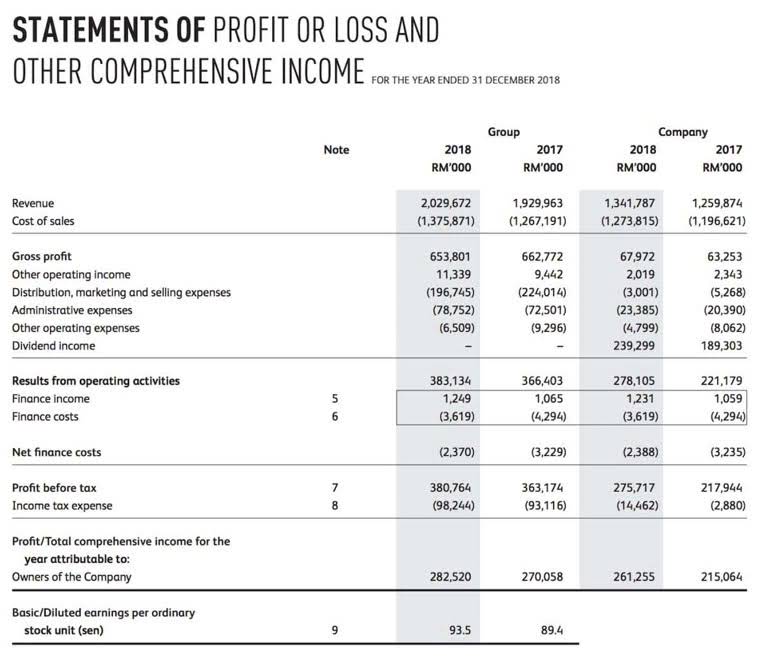
As a result, each shareholder has additional shares after the stock dividends are declared, but their stake remains the same. Retained earnings represent the portion of your company’s net income that remains after dividends have been paid to your shareholders, and is reinvested or ‘ploughed back’ into the company. At the end of the period, you can calculate your final Retained Earnings balance for the balance sheet by taking the beginning period, adding any net income or net loss, and subtracting any dividends.
Significance of retained earnings in attracting venture capital
I remember coaching a HVAC shop in Kansas City that was profitable on paper, yet was always writing checks from a nearly empty bank account. The culprit turned out to be retained earnings – the silent engine that funded their growth, cushioned their downturns, and decided their credibility to lenders. Overall, retained earnings empower small business owners to maintain control over their company’s finances and strategically invest in its future. Companies may use retained earnings to pay off high-interest debt, strengthening financial health. Learn the opportunity cost formula, how to calculate it, key factors to consider, and its impact on capital allocation for smarter business decisions. Understand the net income formula, key components, and why it’s critical for your business’s success.
- If you see your beginning retained earnings as negative, that could mean that the current accounting cycle you’re in has a larger net loss than your beginning balance of retained earnings.
- If your business currently pays shareholder dividends, you’ll need to subtract the total paid from your previous retained earnings balance.
- That’s why you must carefully consider how best to use your company’s retained earnings.
- You can think of them as the company’s private piggy bank — a place to store everything left over from net income after paying dividends.
- While your cash balance fluctuates with your inflows and outflows, retained earnings are only impacted by your company’s net income or loss and the distributions paid out to shareholders.
- In this guide we’ll cover everything from how to calculate retained earnings to how to interpret them on different financial documents.
What is the formula for the retained earnings ratio?
- The change in net working capital (NWC) captures the difference between the prior period and current period net working capital (NWC) balance.
- Factors such as an increase or decrease in net income and incurrence of net loss will pave the way to either business profitability or deficit.
- This figure is listed under the shareholders’ equity section of your balance sheet from the prior period.
- Both setups give your finance team a single place to manage outflows with real-time insight.
- Retained earnings, on the other hand, refer to the portion of a company’s net profit that hasn’t been paid out to its shareholders as dividends.
- This statement summarizes changes in the retained earnings over a specific accounting period.
Ideally, update your retained earnings monthly or quarterly, whenever you close your books or prepare internal financial statements. Companies typically use retained earnings for reinvestment, debt repayment, acquisitions, or as a reserve for future uncertainties. As of September 2023, Apple Inc. reported retained earnings of over $70 billion, showcasing its massive reinvestment capacity and financial resilience. This demonstrates how top companies use retained earnings to maintain a competitive edge and fuel innovation. Companies with aggressive growth strategies often pay minimal dividends to maximize reinvestment. In a company’s lifecycle, startups and high-growth companies typically have lower retained earnings because they prioritize investing in tools, technology, and people needed to scale quickly.
- This placement is significant as it represents owners’ claims on company assets.
- If a potential investor is looking at your books, they’re most likely interested in your retained earnings.
- While common in new businesses or startups, if this trend continues long-term, it may raise concerns about financial sustainability.
- Retained earnings appear on the balance sheet under the shareholders’ equity section.
- This means you’ll need the balance sheet that corresponds with the day before the period of time you’re looking at.
Retained Earnings – Purpose, Formula & Calculation With Example
A higher EPS generally indicates a higher value and profits relative to a company’s stock price, though retained earnings formula there’s no number set as a “good” EPS. Instead, consider EPS trends over time and how a company’s EPS compares to that of its peers. A company that more consistently beats estimates could be considered a better stock option than a company that doesn’t. Nevertheless, keep in mind that these EPS bets are also relative, based on the market and economic conditions for corporate profits.
How to calculate retained earnings
Using the same formula, it’s $550,000 – $250,000 – $0, which equals $300,000. So, your company’s retained earnings for CARES Act the third year are $300,000. Though they’re still positive, they’re lower because of the loss your company faced this year. In a nutshell, retained earnings are what’s left over from your profits after you’ve paid out dividends, and you decide to save some money for the future of your business. By understanding and effectively managing your retained earnings, you too can ensure your small business has the financial stability to grow and thrive.