

Why Phantom Feels Like the Right Solana Wallet for Browser DeFi
Whoa! So I was poking around Solana apps yesterday and somethin’ felt off with my old wallet setup. My instinct said the UX could be cleaner and my transactions were a hair too slow sometimes. Initially I thought all browser extensions were basically interchangeable, but then I started timing network confirmations, checking token visibility, and comparing permission prompts side by side which quickly showed meaningful differences. Really?
Here’s the thing. Phantom nails the basics—fast connection to Solana RPCs, clear token balances, and tight wallet controls—so your day-to-day DeFi feels less fragile. On the surface it’s just clean UI, but under the hood the extension manages account isolation and signer prompts in a way that reduces accidental approvals. My bias is toward simple interfaces, though I’m not blind to power features that matter. Hmm…
I used to juggle multiple wallets and extensions. That was annoying and risky when you have NFTs, SPL tokens, and DApps that ask for different permission scopes. On one hand convenience matters, on the other hand you should treat any extension as a security boundary and minimize granted permissions. Actually, wait—let me rephrase that: don’t give blanket access when a site only needs a tiny scope. My instinct said to always check a site’s URL and the signature content before approving transactions.
Yeah, it’s a lot to remember. The wallet’s prompt design helps because it separates signing from sending, making it clearer what you approve. If you dive deeper you’ll see Phantom integrates hardware wallet support, token list management, and connection preferences so you can customize behavior per DApp, which matters when you’re moving serious value or interacting with permissioned programs. Something bugs me about some guides that tell you to ‘just download the extension’ without checking provenance or the installation source. Really?
Oh, and by the way… I tried an unofficial build once and regretted it. Good grief, that was a minor disaster—phantom-like UIs that weren’t the real thing and weird permission popups. I’m biased, but I always verify where I download browser extensions. If you want the authentic experience for Phantom, go directly to the official distribution channel or the well-known store listings, and double-check the publisher name and version. I’m not 100% sure every user will do that, which is why more education matters.
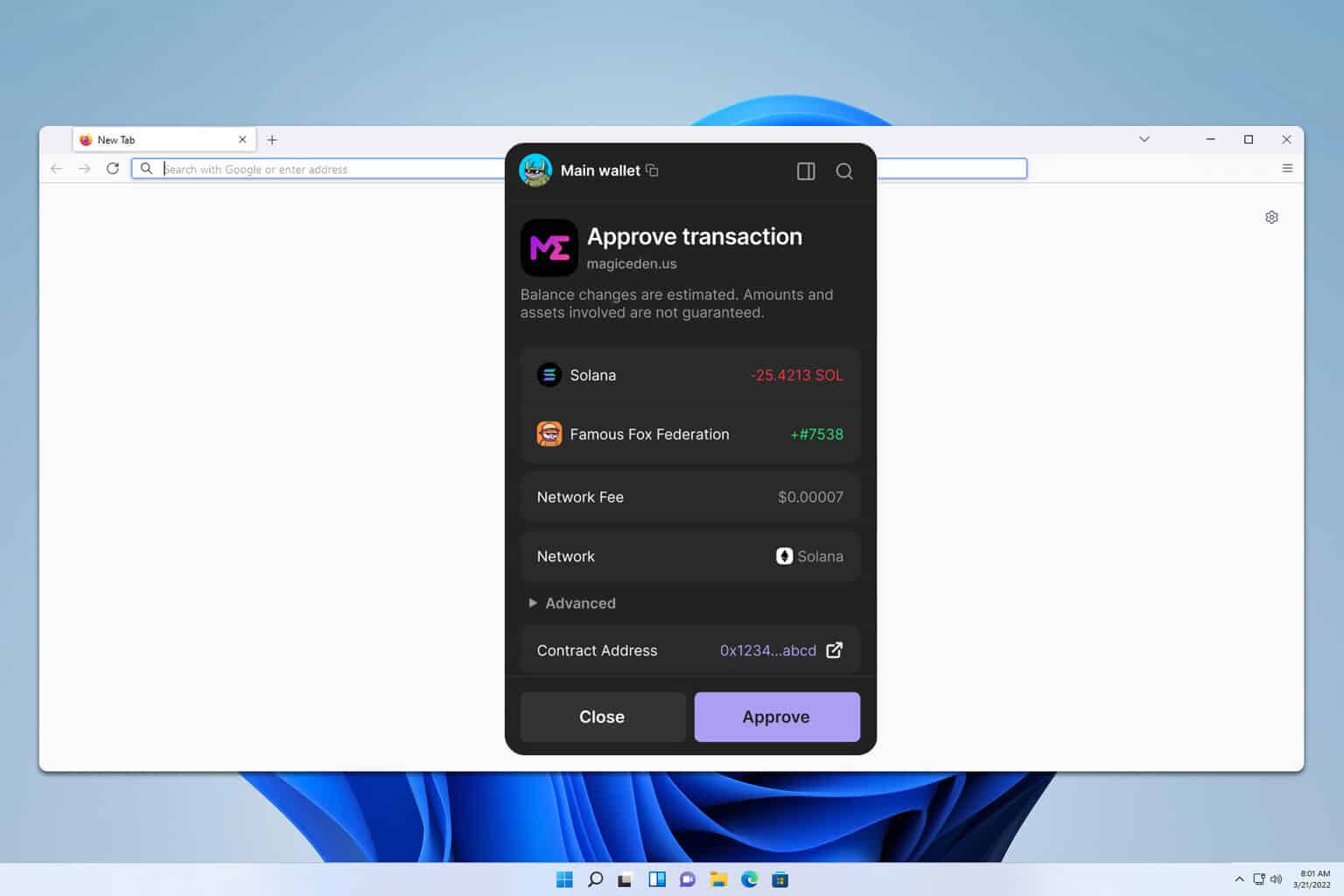
Where to get the Phantom browser extension
Okay, so check this out—if you want to install the extension safely start with a trusted source and review permissions before you click connect and the easiest way to find the official installer is via the legitimate distribution pages like the one I use most often: phantom wallet. Seriously, read the reviews, check the extension ID, and avoid random ZIP files from forums. My first impressions after installing were positive, though I spent a few minutes customizing settings and enabling hardware wallet connectivity.
Quick tip: enable the auto-lock timer and set a strong password. On the other hand, if you’re a developer or power user you can point to alternate RPCs, add custom token mints, and manage multiple accounts without breaking a sweat. Initially I thought switching RPCs was unnecessary, but then I ran into rate limits on a busy morning and switching improved throughput immediately. Whoa! Ultimately, treating browser extensions like small pieces of your security model—backups, hardware keys, and careful approvals—keeps your on-chain activity safer and lets you enjoy the speed and low fees that Solana brings to DeFi.
Common questions
Is Phantom safe for DeFi?
Yes, when used correctly and obtained from verified sources it provides strong UX and security features like hardware wallet support and clear permission prompts. However, never approve transactions from unknown sites, and always verify the transaction details before signing.
Can I use Phantom with hardware wallets?
Absolutely—Phantom integrates with Ledger devices and that is a recommended setup if you custody significant funds. If you’re moving funds frequently consider combining a hot wallet for small trades with a hardware-backed cold store for larger amounts.